A House Untouched For Fifty Years
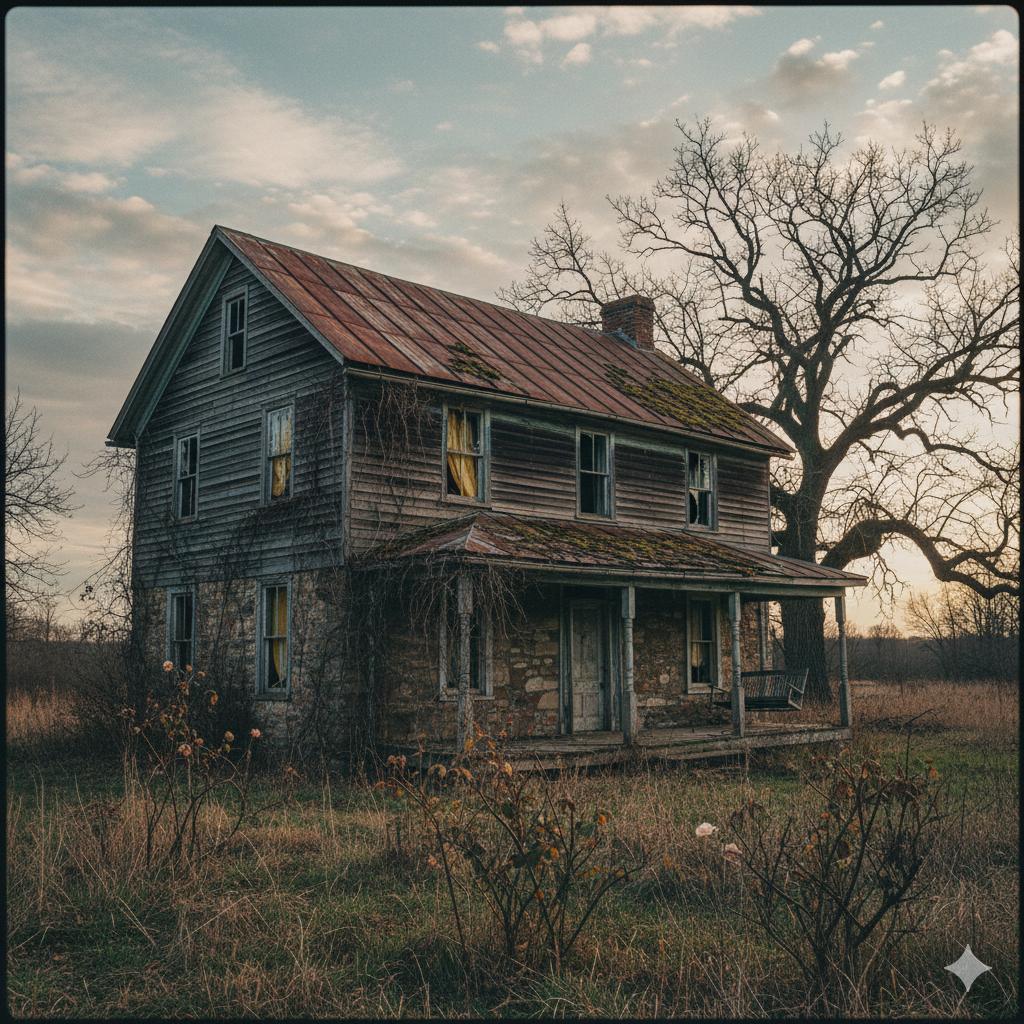
A house left untouched for fifty years does not simply pause in time. Even without footsteps on its floors or hands on its doors, it remains in constant conversation with gravity, moisture, temperature, and the slow chemistry of aging materials. What unfolds over those decades is not dramatic collapse in most cases, but a quiet, cumulative transformation that reveals how buildings truly live—or fail—without care.
The first and most universal process is material fatigue. Every building material, from timber to concrete to metal fasteners, is designed with an expected lifespan and a tolerance for stress. When a house is occupied, small issues are noticed early: a sticky door hints at foundation movement, or a hairline crack suggests moisture intrusion. In an untouched house, these signals go unanswered. Wood framing slowly dries and rehydrates with seasonal humidity, leading to warping and micro-cracking. Nails loosen their grip as fibers relax. Concrete foundations, often assumed to be immortal, experience carbonation and freeze-thaw cycles that can gradually reduce strength. None of this is sudden, but over fifty years, fatigue becomes visible in sagging floors, uneven openings, and a general loss of stiffness in the structure.
Electrical systems age in a particularly unforgiving way. Wiring insulation from decades past was not designed to sit unused indefinitely. Rubber and early plastic coatings harden, crack, and lose flexibility. Rodents, drawn to quiet spaces, may gnaw at cables, exposing copper that oxidizes in damp air. Even if the power is off, metal connections corrode, and breaker components seize. After half a century, the wiring is often not just outdated but unsafe, requiring full replacement rather than repair. This is a common surprise for owners who assume that inactivity preserves systems, when in fact, it often accelerates their decline.
Plumbing tells a similar story. Pipes rely on occasional water flow to discourage sediment buildup and biological growth. In a house left alone, residual moisture evaporates unevenly, leaving minerals behind. Steel pipes corrode from the inside out, while copper develops pitting. Rubber seals dry and shrink, losing their ability to hold pressure. In cold climates, even a single forgotten winter with trapped water can split pipes, creating hidden damage that only reveals itself when the system is reactivated. By the time anyone turns a faucet again, leaks may already be woven into the walls.
Surface coverings—roofing, siding, flooring, and interior finishes—serve as the house’s skin, and they suffer most visibly. Roofing materials lose granules, curl, or crack under ultraviolet exposure. Without routine replacement, the roof becomes the gateway for water intrusion. Paint peels not simply from age, but because moisture moves through walls that no longer breathe as intended. Flooring buckles or separates as subfloors absorb humidity. These changes are not cosmetic alone; they are warnings that protective layers have failed and that deeper elements are now exposed.
Structural issues emerge gradually, often driven by water. Moisture is the most patient and destructive force a building faces. A small roof leak feeds rot in rafters, which then invites insects. Termites and carpenter ants thrive in undisturbed environments, quietly consuming load-bearing wood. Foundations shift as soil conditions change, especially if drainage systems clog or collapse. Over fifty years, these movements can translate into serious misalignment, making doors and windows inoperable and stressing the entire frame. What began as neglect becomes a structural narrative written in inches and angles.
Environmental exposure compounds everything. Without heating, ventilation, or air circulation, interiors become humid in summer and brittle in winter. Mold colonizes unseen cavities, degrading materials and air quality alike. Sunlight fades fabrics and weakens plastics. Even masonry, often considered resilient, erodes as mortar joints lose cohesion. The house adapts to abandonment, but not in ways that favor future use.
When such a property is finally revisited, the role of experience becomes critical. A professional versed in general construction can read these layered changes like tree rings, understanding not just what failed, but when and why. A skilled general contractor approaches the building as a system rather than a checklist, recognizing that replacing surfaces without addressing underlying fatigue only postpones further decline. Restoration, in these cases, is less about cosmetics and more about reestablishing balance between materials, environment, and use.
A house left untouched for fifty years teaches a humbling lesson: buildings are not static objects. They require interaction, observation, and maintenance to remain healthy. Silence and stillness do not preserve them; they slowly unmake them. Yet within that decay is also information, a detailed record of how time treats what we build, and how thoughtful care can extend not just the life of a house, but its integrity and purpose.